
FOIA vs. Privacy Act: What’s the Difference for Immigration Applicants?
If you’re applying for a U.S. visa, green card, or undergoing any part of the U.S. immigration process, you might need to get copies of your records from government agencies like EOIR, USCIS, CBP, or ICE. These records can help you understand your case, find out what information the government has about you, or fix any mistakes.
Two primary laws allow you to request such records: the Freedom of Information Act (FOIA) and the Privacy Act. Although they appear similar, they differ in terms of eligibility and the types of information you can access. In this article, we’ll explain the difference between FOIA and the Privacy Act, which one is right for your situation, and how to file a request. This can help you make better decisions during your immigration journey.
What is FOIA?
The Freedom of Information Act (FOIA) is a federal law that gives the public the right to request access to records from federal government agencies. One of the key benefits of FOIA is that anyone can file a request regardless of citizenship or immigration status. This law applies to all executive branch departments and agencies in the U.S. government.
- FOIA was designed to promote transparency and accountability by allowing individuals to see how government decisions are made and what information is being used. However, it does have limits. Certain types of records can be withheld or redacted for reasons such as national security, ongoing law enforcement investigations, or to protect personal privacy.
- For immigration applicants, FOIA is a valuable tool used to access important documents related to their immigration history. It’s often used to request copies of files from various immigration agencies that may affect their case or application.
Key Points:
- FOIA is a federal law that allows public access to U.S. government records.
- Anyone citizens and non-citizens can file a FOIA request.
- It applies to all federal executive agencies, including USCIS, CBP, ICE, and EOIR.
- Records may be withheld or redacted for reasons like national security, law enforcement, or third-party privacy.
Immigration applicants commonly use FOIA to request records from:
- U.S. Citizenship and Immigration Services (USCIS)
- Customs and Border Protection (CBP)
- Immigration and Customs Enforcement (ICE)
- Executive Office for Immigration Review (EOIR)
What is the Privacy Act?
The Privacy Act of 1974 is a U.S. federal law designed to protect personal information that the government keeps about individuals. It applies to records held by federal agencies and gives certain people the right to access and correct their own data. However, unlike FOIA, the Privacy Act only applies to U.S. citizens and lawful permanent residents (green card holders). Non-citizens and temporary visa holders generally cannot use this law.
The main goal of the Privacy Act is to ensure that federal agencies collect, maintain, and use personal information fairly and accurately. If you are eligible, you can request a copy of your records and even ask the agency to fix mistakes if the information is wrong, outdated, or incomplete. This makes the Privacy Act a valuable tool for making sure your government records are accurate, especially when dealing with immigration or legal matters.
While FOIA focuses on transparency for the general public, the Privacy Act is more about protecting your personal privacy and giving you control over the information the government has about you.
Key Points:
- The Privacy Act of 1974 protects personal data maintained by federal agencies.
- It applies only to U.S. citizens and lawful permanent residents (green card holders).
It allows eligible individuals to:
- Access their own records.
- Request corrections or amendments if records are inaccurate, outdated, or incomplete.
- Non-citizens (except LPRs) generally cannot use this law.
- Often used alongside FOIA in immigration cases.
Key Differences Between FOIA and the Privacy Act
Feature | FOIA | Privacy Act |
|---|---|---|
| Who Can File? | Anyone (including non-citizens) | U.S. citizens and lawful permanent residents only |
| Purpose | Promote transparency in government | Protect and give access to personal records |
| Type of Records | Any agency records (with exceptions) | Only records about the individual requester |
| Corrections to Records? | No | Yes – request corrections if records are inaccurate |
| Common Use in Immigration | Request A-files, I-213s, border records, and other immigration records | Request personal data held by agencies |
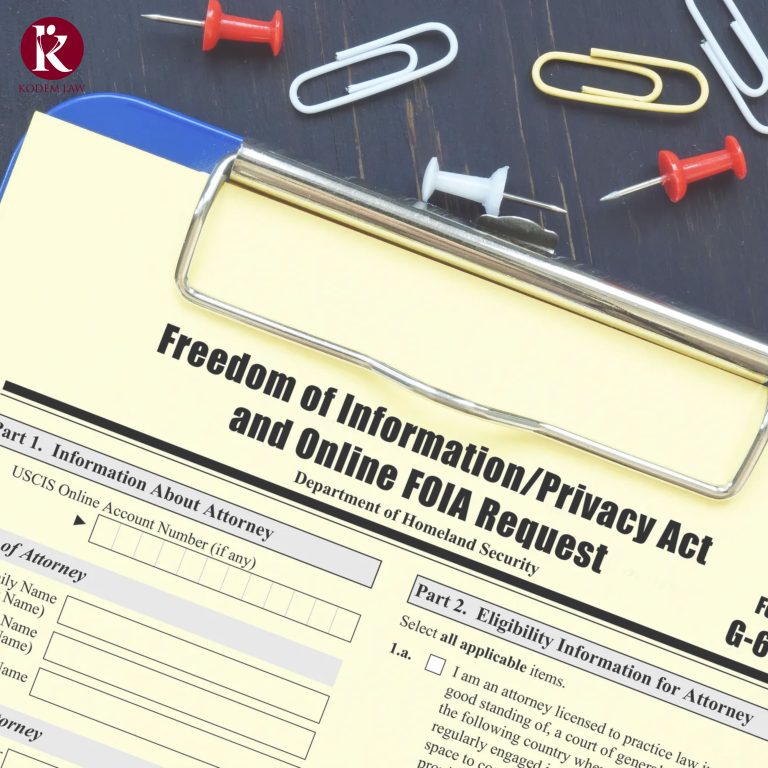
Which Request Should Immigration Applicants Use?
It depends on your status and the records you need:
- If you’re a non-citizen or not a permanent resident → Use FOIA.
- If you are a U.S. citizen or green card holder and want to correct or view personal data
→ FOIA is broader and Privacy Act is more limited but allows corrections.
Note: Many immigration attorneys file both FOIA and Privacy Act requests together to maximize access to all possible records.
How to File a FOIA or Privacy Act Request
You can file FOIA and Privacy Act requests through:
1. Online Portals:
- USCIS: https://first.uscis.gov
- CBP FOIA Portal
- ICE FOIA Request Center
- EOIR (email or mail)
2. Mail or Fax: If you prefer, you can send your request via mail or fax directly to the agency’s FOIA office. Include a signed authorization and clear description of the records you seek.
Tips for Faster Processing
- Be specific Clearly identify the documents you’re requesting, including your full name, date of birth, A-number, and any relevant case numbers.
- Use online filing when possible it’s generally faster than paper.
- Avoid duplicate requests it can slow down processing.
- Check processing times on the agency’s website.
Common Myths and Misunderstandings About FOIA
Many people have misconceptions about how the Freedom of Information Act (FOIA) works, especially when using it in immigration matters. Understanding the truth behind these common myths can help you manage your expectations and avoid unnecessary delays or frustration.
1. FOIA Doesn’t Provide Instant Access
Some believe that submitting a FOIA request will give them immediate access to their records. FOIA requests can take several weeks or even months to process, depending on the agency and the complexity of the request. Typical USCIS FOIA processing times range from 3 to 12 months. Agencies like USCIS, CBP, ICE, and EOIR often face significant backlogs, especially for A-file requests. Patience is key, and checking estimated processing times on the agency’s FOIA website can help you stay informed.
2. Not All Information Will Be Disclosed
While FOIA allows access to many types of government records, it doesn’t guarantee that everything will be shared in full. Agencies are allowed to withhold or redact certain information for valid reasons, including:
- National security
- Ongoing law enforcement investigations
- Personal privacy of third parties
- So, if some pages are redacted or certain documents are missing, it’s usually due to legal exemptions that allow agencies to withhold sensitive information.
How Can Kodem Law Help You?
Understanding the difference between FOIA and the Privacy Act is essential for immigration applicants who need access to their government records. FOIA allows anyone, regardless of immigration status, to request information from federal agencies, while the Privacy Act offers additional protections and correction rights but is limited to U.S. citizens and lawful permanent residents. Choosing the right law and submitting a well-prepared request can significantly impact how quickly and accurately you receive the documents that may support your immigration case.
At Kodem Law, we guide clients through every step of the FOIA and Privacy Act process. We help determine which law applies to your specific situation, prepare and file detailed and accurate requests, follow up with agencies, and handle any delays or denials that may arise. Once the records are received, our team assists in reviewing and interpreting the information to ensure it’s used effectively in your immigration proceedings. Whether you need access to your A-file, border entry history, or want to correct an error in your records, Kodem Law provides the experience, clarity, and support you need to move forward with confidence.