The First Amendment: Protecting Our Right to Speak Freely
The First Amendment is like a powerful shield that guards your right to say what you want, believe in your religion, speak your thoughts in the media, peacefully gather with others, and tell the government when you’re not happy with what they’re doing. It’s like your pass to freedom of speech and expression, making sure your voice counts in our free nation.
Overview
The 1951 Indian Constitution (First Amendment) Act, introduced during Jawaharlal Nehru’s tenure as Prime Minister, marked a significant moment in Indian constitutional history. It set a precedent for amending the Constitution to override judicial decisions that hindered government efforts to implement specific policies and programs. The amendment primarily focused on modifying the Fundamental Rights provisions of the Indian Constitution.
Key Points of First Amendment
Context and Background: The amendment was proposed by Jawaharlal Nehru on May 10, 1951, and passed by Parliament on June 18 of the same year. It was a response to challenges faced by the government in implementing its policies and addressing issues like refugee inflow and communist dissidence.
Fundamental Rights Amendments: The 1951 amendment made several changes to the Fundamental Rights clauses in the Indian Constitution. These changes included limitations on freedom of speech and expression and support for the abolition of zamindari (landlordism). It also clarified that the right to equality does not prevent the enactment of laws providing “particular consideration” to disadvantaged groups in society.
Reasoning: The Statement of Reasons (SOR) related to the First Amendment highlighted that disputes over agrarian and land reform laws(means concerned with the relation between production and distribution of land among the farmers) were causing delays and wasteful litigation in the courts, necessitating constitutional changes.
Amended Articles: The amendment affected various articles of the Constitution, including 15, 19, 85, 87, 174, 176, 341, 342, 372, and 376. It also introduced the concept of “reasonable restrictions” on freedom of speech and expression, adding new grounds such as public order, friendly relations with foreign states, and incitement to an offense.
Protection of State Actions: The Act protected state trading and nationalization of trade or business from being invalidated on the grounds of violating the right to trade or business.
Ninth Schedule: The Ninth Schedule was added to shield land reform and other laws from judicial review, ensuring their implementation.
Articles 31A and 31B: These articles were inserted into the Constitution, granting the state extensive authority to acquire estates or take over corporations or property in the public interest while attempting to limit judicial review.
Misuse of Ninth Schedule: Over 250 laws were included in the Ninth Schedule, preventing them from being challenged in court. This led to concerns about potential misuse.
Kesavananda Bharati Case: In 1973, the Supreme Court ruled in the Kesavananda Bharati case that judicial review could not be abolished as it was a fundamental structure of the Constitution. However, Articles 31(A), 31(B), and 31(C) upheld land reform laws and emphasized the application of Directive Principles over individual liberties.
Note: The First Amendment to the Indian Constitution, driven by historical challenges, shaped Indian constitutional and legal discussions. It modified fundamental rights, introduced reasonable restrictions, and aimed to balance individual rights with state policies. The inclusion of the Ninth Schedule aimed to protect vital laws but raised concerns about potential misuse.
The Kesavananda Bharati case later clarified the boundaries of judicial review within this framework. Overall, the 1951 Indian Constitution (First Amendment) Act continues to influence the balance between individual rights and state policies in India.
The First Amendment in the Digital Age
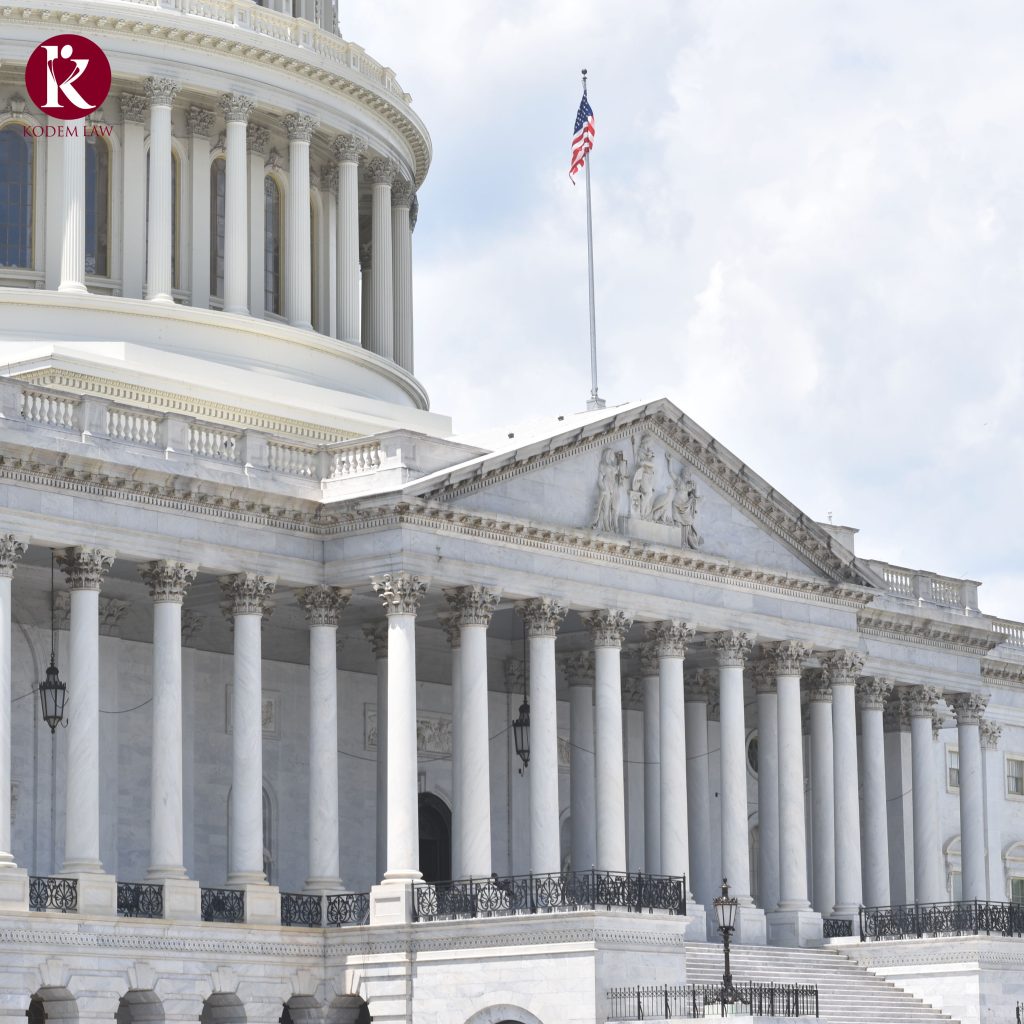
In today’s digital era, the First Amendment faces both new challenges and promising opportunities. The internet and smartphones have revolutionised communication, providing a vast platform for expressing ideas. However, this digital landscape also raises concerns about false information, online harassment, and privacy violations. As we navigate this digital age, individuals must be cautious to address issues like misinformation and online harassment.
Throughout history, the First Amendment has played a crucial role in shaping modern American society. It helped groups that didn’t have much power to fight for their rights and fairness. For instance, during the civil rights movement in the 1950s and 1960s, it allowed people to speak out and gather together to fight against racial segregation and unfair racism in society. Additionally, the First Amendment has helped the public to remain uninformed about government actions and critical societal issues.
In essence, the First Amendment remains a cornerstone of American democracy, adapting to the challenges and opportunities presented by the digital age while safeguarding our fundamental freedoms of expression and information.
Challenges and Controversies
While the First Amendment protects our freedom, it has also sparked intense debates and legal battles. One of the biggest challenges is finding the right balance between protecting free speech and preventing harm or violence. This balance has led to complex decisions in the courts.
One ongoing argument is about hate speech. While the First Amendment protects even hurtful words, some say that certain things people say can encourage violence and harm society. So, the real challenge is to figure out how to protect individual rights while also keeping our society safe and inclusive.
How Can Kodem Law Help You?
The First Amendment serves as a cornerstone of American democracy, protecting the rights to free speech, religion, assembly, and press values that continue to shape the nation’s identity in today’s digital era. Yet, balancing these freedoms with the need to prevent harm remains a growing challenge.
At Kodem Law, we help individuals, organizations, and media entities navigate these complexities by providing legal guidance on First Amendment protections, free expression, and online communication compliance. With our expertise, clients can confidently exercise their rights while staying within the framework of U.S. lawensuring that the principles of the First Amendment remain strong, relevant, and responsibly upheld in a changing world.